

How to Prevent Drowsy Driving Accidents and Injuries in Your Fleet
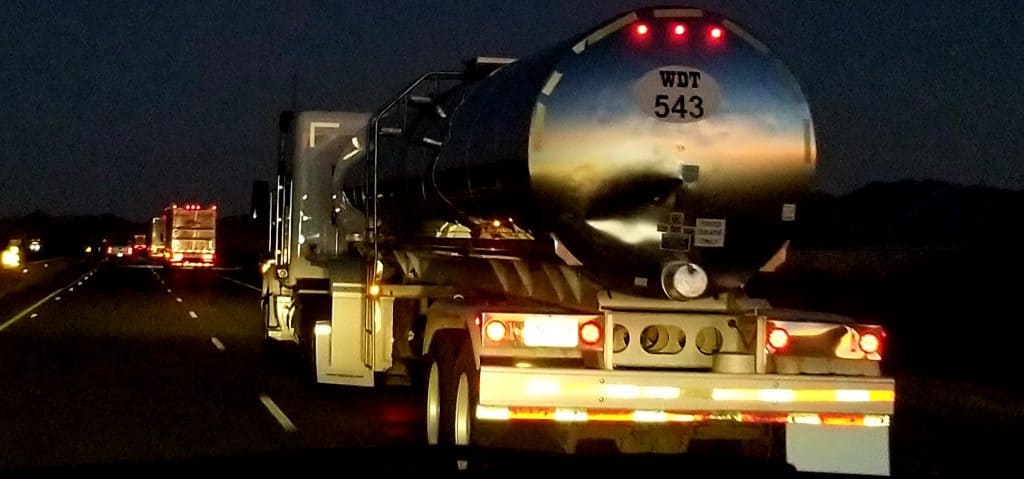
Driving while drowsy is dangerous—as dangerous as drunk driving if drivers push how long they go without sleeping. Although it’s a well-known fact, most drivers misunderstand its significance. A whopping 75% of drivers can’t accurately gauge their drowsiness. Research from the AAA Foundation found that these motorists perceived their drowsiness as minimal when it was moderate or very high. Of that 75%, 25% that reported low drowsiness scored as highly drowsy.
What is Considered Highly Drowsy?
The AAA Foundation rated drowsiness levels based on how often drivers closed their eyes over the course of a minute. Very drowsy drivers have their eyes closed for more than one-fourth of the minute-long interval—meaning they cannot see for more than 15 seconds per minute. Drivers operating a commercial vehicle at 60 miles per hour travel 88 feet every second. When highly drowsy, this translates to driving 1320 feet—a quarter of a mile—or more without seeing each minute.
The Dangers of Drowsy Driving
While drivers aren’t closing their eyes for a quarter of a mile straight, the danger is clear. Each year, drowsy driving causes around:
- 100,000 crashes
- 71,000 injuries
- 1550 Fatalities
All drowsy driving collisions are preventable with adequate breaks and rest. However, the research revealed most drivers won’t take breaks even when the opportunity is available. The researchers told drivers they could take breaks every 20 minutes. Almost half of the participants declined to take any breaks due to their inaccurate perception of their drowsiness. Another significant point raised by the study was that more than three-quarters of drivers who reported feeling highly drowsy still forwent any breaks.
Researchers concluded that fatigue impedes decision-making processes, leading to frequent driving errors and increasing the likelihood of collisions. Another study by the Federal Motor Carrier Safety Administration (FMCSA) further underscores this point, as it found that three out of every four fatigued drivers experienced an error while behind the wheel.
Keeping drivers safe and alert behind the wheel requires training to help them recognize the early indicators of fatigue and know when to pull over to rest. Contact Interstate Motor Carriers to learn more about reducing risk within your trucking company.