
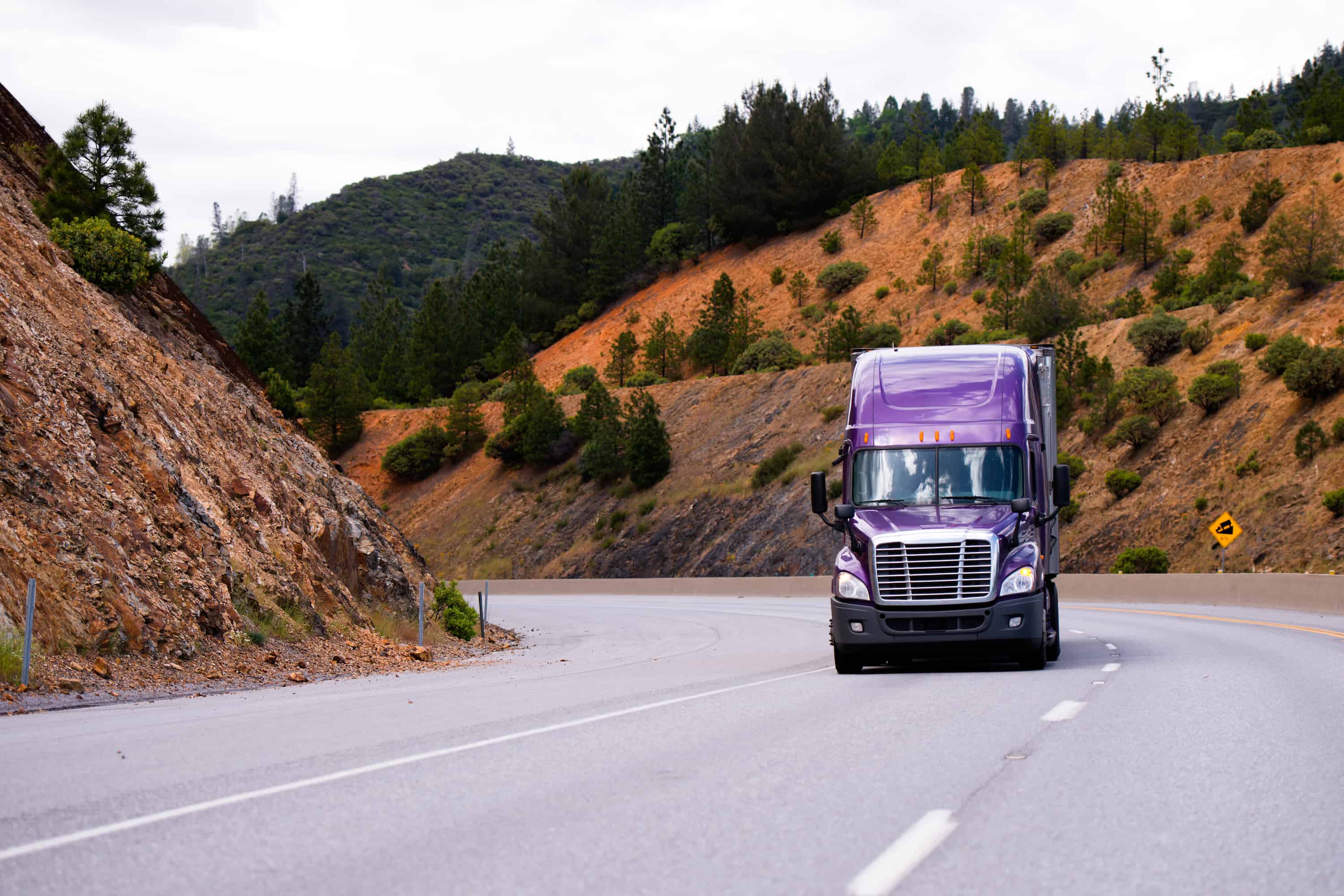
 Worker shortages have had a significant impact on fleets at every level. Trucking companies are struggling to hire and retain high-quality drivers, administrative employees, maintenance technicians, and many other internal and external service providers. The problem is likely to worsen as the demand for last-mile deliveries to homes continues to increase rapidly. The following are some of the biggest factors driving the labor shortages:
- Insufficient commercially licensed drivers. Finding employees with a valid commercial driver’s license remains a struggle—a legal requirement to operate most fleet vehicles. Not having enough CDL drivers sets off a chain reaction of problems that affect their bottom line, starting with longer times between placing an order and delivering it.
- Limited availability of skilled technicians. Commercial vehicles are growing in complexity due to advanced software and the increase in electric vehicles (EVs). In addition to repairing and replacing typical truck parts, service technicians must now also know how to work with hybrid and EV technology. With too few skilled technicians, many fleets are experiencing extended delays for repairs and maintenance.
- Shifting demographics. It’s no secret that most baby boomers are retiring or rapidly approaching it. The rising generations make for a much smaller labor pool, and companies have little choice but to fight over them. Trucking companies have to find ways to attract millennials and Gen Z alike, which is a significant challenge given their differing priorities and diversity.
- A dearth of employee loyalty. Baby boomers and Gen X tend to stay with one company for the duration of their careers, as they consider job-hopping taboo and objectionable. Millennials and Gen Z have no such compunctions about changing jobs and do so often. For example, millennials tend to change jobs every 2.75 years on average, while current Gen Z college graduates will have up to a dozen jobs by the time they’re 30.
The trucking industry isn’t the only one struggling with employee retention. Low unemployment rates and the pandemic drastically changed how people approach the workforce, and most sectors are still struggling to adjust. The solution to address the labor shortage is as complex as the problem. Fleets are taking a multi-pronged approach, including better pay, more paid time off (PTO), and publicly awarding top-performing employees. Contact Interstate Motor Carriers to stay up to date with the latest trends affecting the trucking industry.