Regional Climate Impacts on Truck Maintenance Practices and Costs

News - Interstate

Regional Climate Impacts on Truck Maintenance Practices and Costs

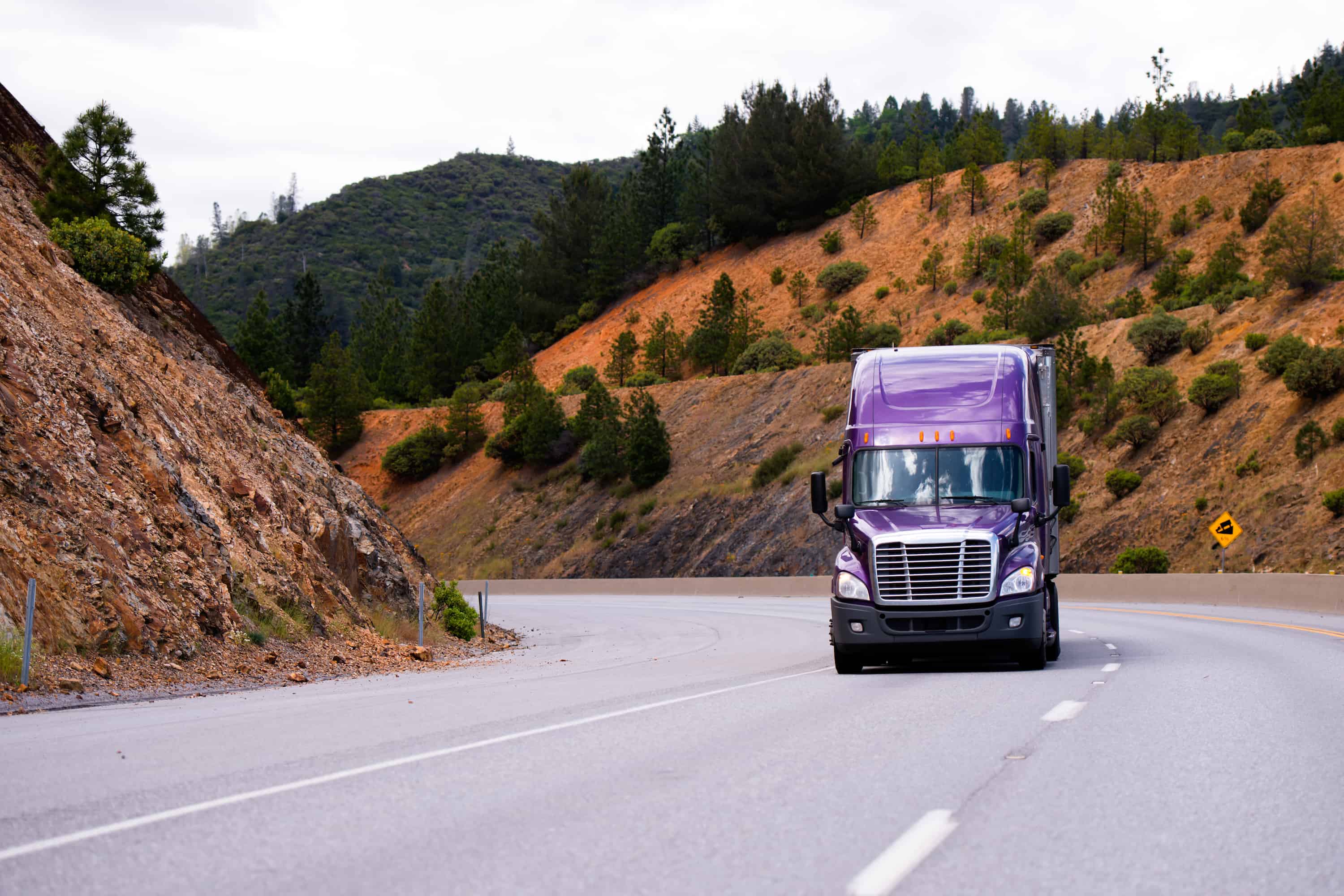
Regional climate plays a critical role in commercial truck maintenance by influencing wear, failure rates, service frequency, and overall costs. As a result, fleets in different regions adopt distinct maintenance strategies tailored to their environmental conditions. Temperature extremes significantly impact operations. In cold climates, thickened oil, battery weakness, diesel gelling, and frozen air brake lines

Read More...

What Is Trailer Interchange Coverage and Who Needs It?

Truckers and motor carriers rely on multiple types of insurance to fully protect their operations, equipment, and financial stability. One of the more specialized—and often misunderstood—coverages is trailer interchange insurance. Because it applies in specific situations involving shared equipment, it’s important to clearly understand how it works, when it’s needed, and how to structure it

Read More...

Liability Transfer: An Overview

Motor carriers occasionally need to exchange or temporarily transfer equipment in order to complete shipments, maintain delivery schedules, or improve operational efficiency. For example, one carrier may move a trailer to a terminal where another carrier completes the final portion of the route. While this type of arrangement can be beneficial for logistics and cost

Read More...

How to Prepare for CVSA’s International Roadcheck 2026

The Commercial Vehicle Safety Alliance (CVSA) has scheduled its annual International Roadcheck for May 12–14, 2026. This 72-hour, high-visibility enforcement campaign spans North America, targeting commercial motor vehicles (CMVs) and drivers to ensure adherence to safety regulations covering vehicles, cargo, and driver qualifications. During the event, certified inspectors at weigh stations, roadside locations, and temporary

Read More...

Trucking Safety Best Practices: What to Do When You Arrive

G.O.A.L. — Get Out And Look.When backing into a parking space or positioning at a dock, don’t hesitate to get out and check your surroundings as often as necessary. Taking extra time to ensure proper alignment is far better than risking a preventable accident. If previous tire tracks are visible, use them as a guide

Read More...

Trucking Safety Tips While Driving

Drive predictably and avoid rushing.Consistency behind the wheel improves safety for everyone. Practice this by: Making wide turns slowly and smoothly. Avoiding unnecessary lane changes. Signaling well in advance and keeping signals on until the maneuver is complete. Turning on headlights 30 minutes before dusk and keeping them on until 30 minutes after sunrise to

Read More...

Pre-Trip Trucking Safety Tips

Pre-Trip: 5 Safety Tips to Follow Before You Hit the Road 1. Prioritize your health.You are the most valuable asset in your truck. Stay at your best by: Getting quality sleep while on the road Adding regular exercise and stretching to your routine Preparing healthier meals in your truck Using comfort items like sunshades and

Read More...

Well Rested Drivers Are Safer and More Productive

Many truck drivers begin their shifts before sunrise, while others continue driving late into the night. It’s common to see exhausted drivers grabbing coffee at rest stops to push through fatigue. But chronic tiredness isn’t just unhealthy — it’s dangerous. According to the National Highway Traffic Safety Administration (NHTSA), about 100,000 police-reported crashes each year

Read More...

Understanding and Handling a DOT Violation

Receiving a Department of Transportation (DOT) violation can have varying consequences depending on its severity and the carrier’s overall compliance record. Minor violations, such as incomplete logbooks or missing paperwork, are documented but usually do not halt operations. In contrast, serious violations—like mechanical failures or safety infractions—can lead to immediate enforcement actions, including placing a

Read More...

Winter Trucking Safety Practices

Driving a tractor-trailer in winter presents serious challenges due to snow, ice, freezing temperatures, reduced traction, longer stopping distances, poor visibility, and unpredictable behavior from other drivers. Success in these conditions depends not just on experience, but on mindset, preparation, and disciplined decision-making. Mindset is critical. Winter driving requires heightened awareness and constant anticipation. Drivers

Read More...