
4 Ways Climate and Location Influence Commercial Vehicle Maintenance

Truck drivers navigate highways through a multitude of climates and locations. The weather and road conditions in these areas contribute significantly to the wear and tear of commercial vehicles. The following are several ways they can influence asset deterioration:
Temperature Extremes
Temperature fluctuations place various vehicle components under additional strain. For example, oil and coolant can thicken in the extreme cold, making it harder for the engine to operate efficiently. Wintry weather also depletes battery strength and can make rubber components brittle. Meanwhile, high temperatures can cause the engine to overheat and result in premature wear to belts, hoses, and cooling systems.
Road Conditions and Terrain
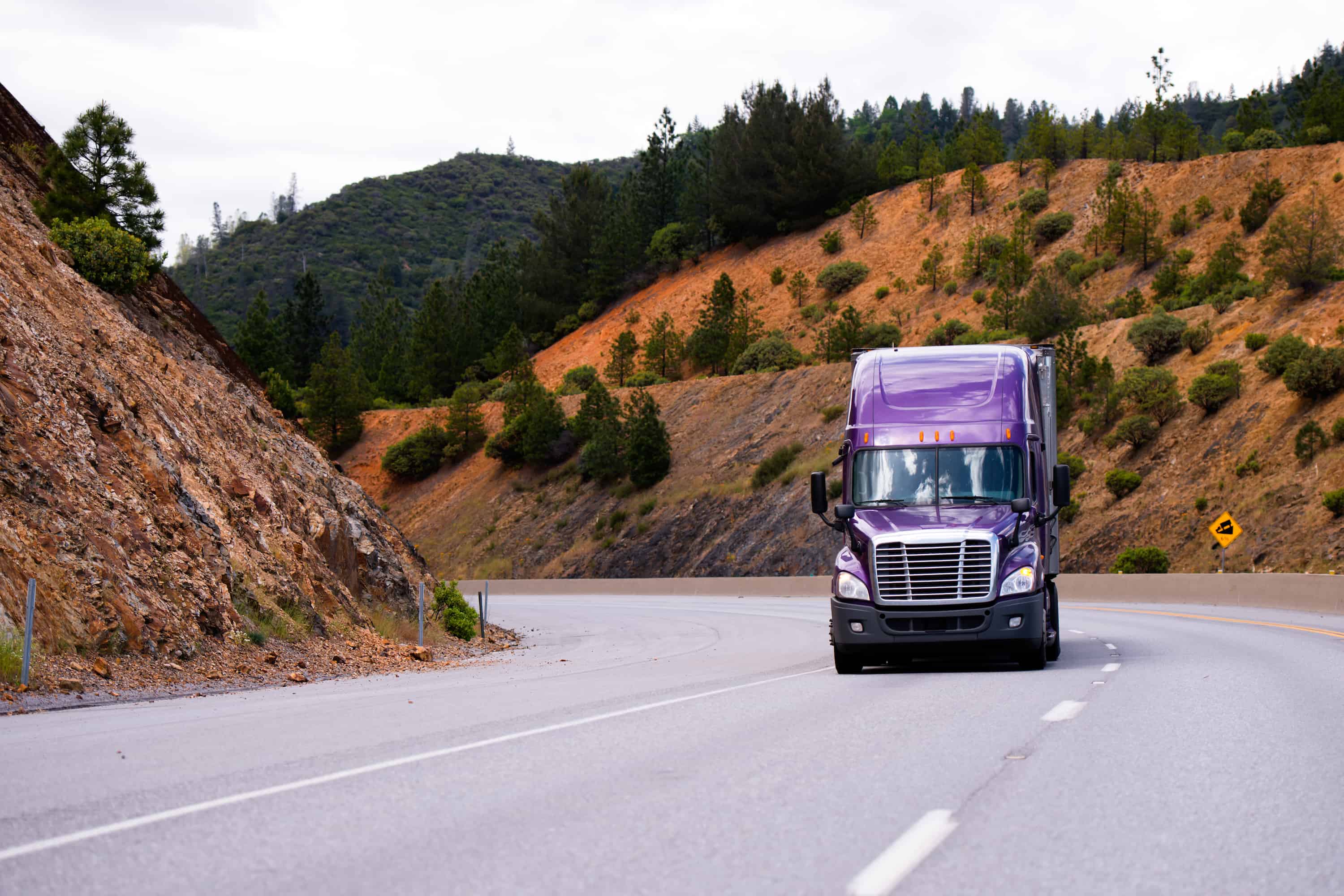
Mountainous regions often have rough terrain and unpaved roads. The constant stress from uneven surfaces can increase strain on the suspension, tires, and brakes. It can also cause faster overall wear and tear to the vehicle. Desert regions pose different maintenance challenges. The significant amount of sand and dust is abrasive to vehicle components, causing friction and expediting wear. Additionally, air filters may need more frequent replacement.
Humidity and Moisture
Coastal regions are often humid, and the extra water in the air can cause rust to form. Rust weakens the vehicle’s components and diminishes its lifespan. Roads at higher altitude levels typically have lower humidity, but they also have less oxygen. Engines can become sluggish without sufficient air, resulting in less power, diminished performance, and additional strain on the engine and its components.
Salt Exposure
Cities use salt ahead of winter snowstorms to prevent ice buildup. While this reduces slippery conditions, the excessive salt expedites vehicle undercarriage and body panel corrosion. Beach towns also have this problem year-round, as the humid air is often salt-heavy.
Mitigating the effects of climate- and location-specific asset wear is essential to keep commercial vehicles operational. Trucking companies can achieve this by tailoring maintenance methods to the road conditions their vehicles navigated. Regular inspections, maintenance, and proactive measures extend the lifespan of commercial vehicles and ensure they remain safe regardless of climate or location. Contact Interstate Motor Carriers to learn more about improving commercial vehicle safety and longevity.