
Winter Trucking Safety Practices
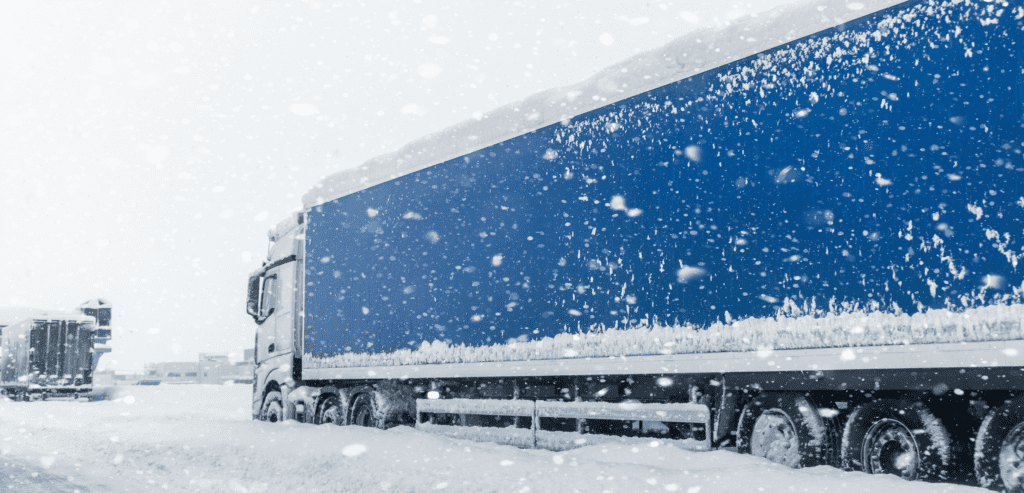 Driving a tractor-trailer in winter presents serious challenges due to snow, ice, freezing temperatures, reduced traction, longer stopping distances, poor visibility, and unpredictable behavior from other drivers. Success in these conditions depends not just on experience, but on mindset, preparation, and disciplined decision-making.
Mindset is critical. Winter driving requires heightened awareness and constant anticipation. Drivers must prioritize safety over delivery schedules and recognize when conditions are too dangerous to continue. Overconfidence or rushing to meet deadlines can quickly lead to accidents. Professional drivers understand that patience and sound judgment are essential.
Adjusting driving style is necessary on snow and ice. Legal speed limits may be unsafe in winter conditions, so slowing down is crucial. Drivers should maintain large buffer zones around their trucks to allow for longer stopping distances and unexpected hazards. Tailgating is especially dangerous in heavy snow when visibility drops suddenly. Every movement must be deliberate and cautious.
Maneuvering and skid control require finesse. Sudden steering, braking, or acceleration can cause loss of control or jackknifing. Drivers should steer gently and respond calmly to skids by easing off the brakes and steering in the intended direction of travel to regain traction. Practicing these techniques in safe conditions can build confidence and muscle memory before facing real winter hazards.
Equipment and load management are foundational to winter safety. Before departure, drivers should inspect tires for proper inflation and tread depth, check brakes to prevent freezing issues, ensure lights and defrosters are working and clear of snow, and drain moisture from air tanks to avoid freezing. Loads must be securely fastened to prevent shifting on slippery roads. Cold weather can significantly affect vehicle performance, so thorough pre-trip inspections are essential.
Emergency preparedness is equally important. Winter weather can strand even experienced drivers. An emergency kit should include warm layered clothing, insulated boots, gloves, hats, blankets or sleeping bags, non-perishable food, and sufficient water. Essential tools include ice scrapers, tire chains, flashlights, wrenches, duct tape, and fuel additives to prevent diesel gelling. Spare fuel filters, extra washer fluid, jumper cables, tow straps, a first aid kit, and reliable communication devices such as a charged phone and power bank are also recommended. Preparation can be life-saving in extreme cold.
Decision-making in severe weather separates skilled professionals from risky drivers. Sometimes the safest choice is to stay parked and wait out a storm. Drivers should check weather reports and road conditions and assess their vehicle’s performance before proceeding. If travel is necessary, speed should be reduced, following distances increased, and hazards anticipated well in advance. Winter driving is not about speed; it is about restraint and judgment.
Regular safety checks at every stop help prevent small issues from becoming major problems. Drivers should clear snow and ice from lights, mirrors, windshields, and license plates; inspect tires and brakes for ice buildup; ensure trailer wheels turn freely; and keep washer fluid topped off for visibility. Vigilance throughout the trip is key.
Ultimately, winter trucking demands respect for conditions, disciplined driving habits, and thorough preparation. Arriving safely is always more important than arriving on time. To learn more about trucking safety and risk, chat with us: https://interstatemc.com/contact/