
Regional Climate Impacts on Truck Maintenance Practices and Costs
 Regional climate plays a critical role in commercial truck maintenance by influencing wear, failure rates, service frequency, and overall costs. As a result, fleets in different regions adopt distinct maintenance strategies tailored to their environmental conditions.
Temperature extremes significantly impact operations. In cold climates, thickened oil, battery weakness, diesel gelling, and frozen air brake lines increase mechanical stress and failure risk. This leads to higher costs for winterization, more frequent battery replacements, and added downtime. In hot climates, excessive heat strains cooling systems, accelerates fluid breakdown, increases tire wear, and burdens air conditioning systems—resulting in more frequent fluid changes, tire replacements, and cooling system repairs.
Moisture and humidity contribute to corrosion, electrical failures, and mold. Trucks in wet regions require more rustproofing, inspections, and electrical repairs, often shortening component lifespan.
Snow, ice, and road salt in colder regions intensify corrosion, particularly on undercarriages, brakes, and suspension systems. Slush and grit also accelerate brake wear and damage visibility systems. This drives up costs through frequent washing, anti-corrosion treatments, and higher parts replacement rates.
Dust and dry conditions in arid regions clog air filters, reduce engine efficiency, and increase engine wear. Dust buildup can also impair cooling systems. Maintenance costs rise due to frequent filter replacements, cleaning, and long-term engine wear.
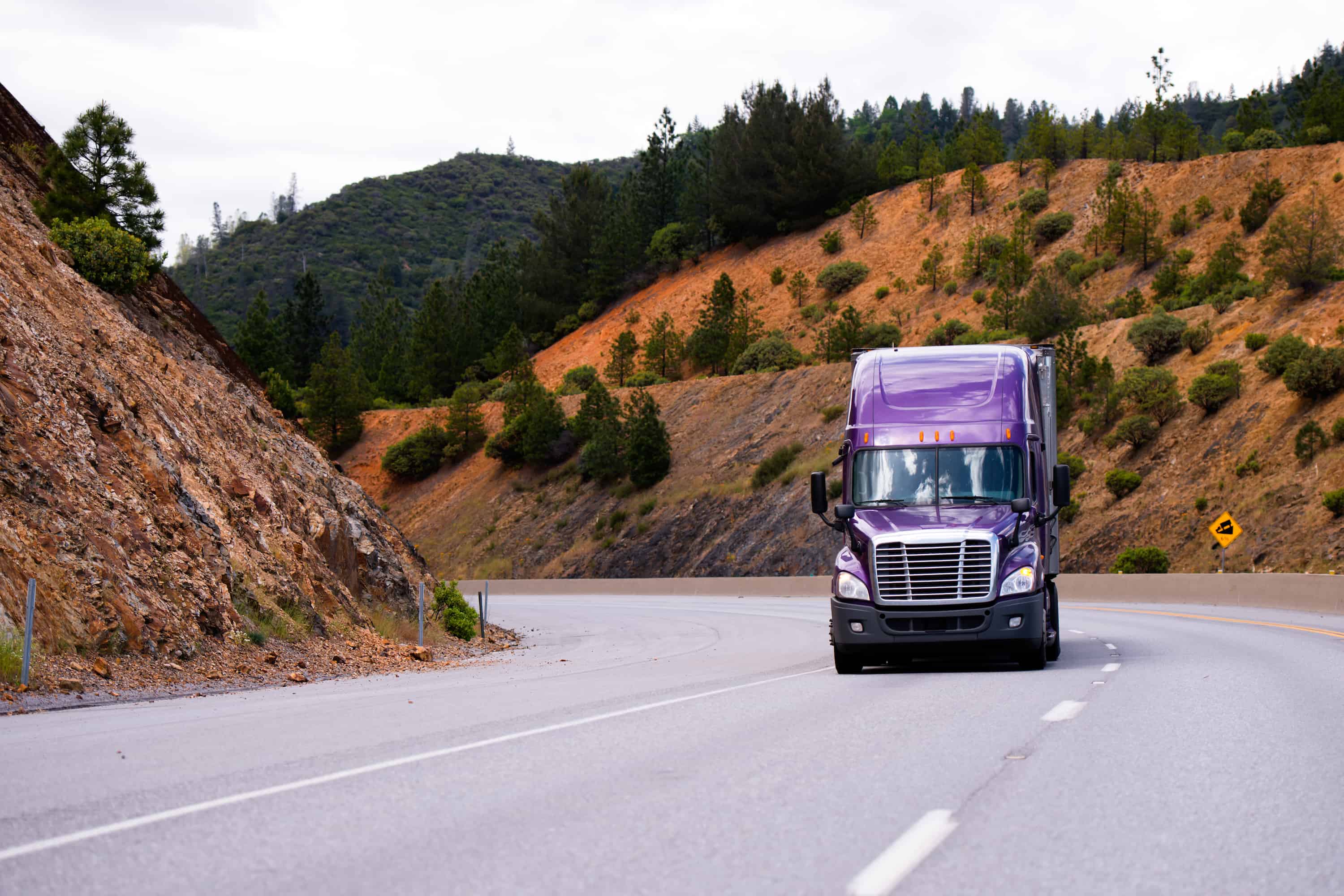
Elevation and terrain add further challenges. Mountainous areas reduce engine efficiency due to lower oxygen levels and strain braking systems during long descents. Temperature fluctuations also stress materials. This results in higher fuel use, increased brake maintenance, and additional engine adjustments.
Coastal environments expose trucks to salt air and humidity, accelerating corrosion even without road salt. This necessitates aggressive corrosion control and can shorten vehicle lifespan if not managed properly.
To adapt, fleets modify preventive maintenance strategies by shortening service intervals, using region-specific fluids, increasing inspection frequency, and selecting specialized equipment such as climate-appropriate tires and batteries.
Overall, climate affects both direct costs (parts, fluids, equipment) and indirect costs (downtime, labor, reduced lifespan, and fuel efficiency). Ultimately, regional climate doesn’t just influence maintenance—it defines how fleets manage and maintain their vehicles.
Want to know more about protecting your truck or fleet? Get in touch!